
Multigrain Bread Sandwich
Health
Nutrition
Nutri-Score
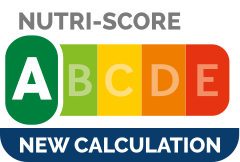 Very good nutritional quality
Nutri-Score data warning
Nutrient levels
Fat in low quantity (2.98%)
Saturated fat in low quantity (0%)
Sugars in low quantity (4.96%)
Salt in low quantity (0.000607%)
Nutrition facts
| Nutrition facts | As sold for 100 g / 100 ml |
|---|---|
| Energy | 568 kcal (136 kcal) |
| Fat | 2.98 g |
| Saturated fat | 0 g |
| Monounsaturated fat | 0 g |
| Polyunsaturated fat | 0 g |
| Omega 3 fat | 0 g |
| Omega 6 fat | 0 g |
| Cholesterol | 0.0176 mg |
| Carbohydrates | 17.4 g |
| Sugars | 4.96 g |
| Glucose | 0 g |
| Fructose | 0 g |
| Lactose | 0 g |
| Dietary fiber | 2.46 g |
| Proteins | 9.92 g |
| Salt | 0.000607 mg |
| Sodium | 0.000243 mg |
| Alcohol | 0 % vol |
| Vitamin A | 0.000000000149 µg |
| Vitamin D | 0 µg |
| Vitamin E | 0 mg |
| Vitamin K | 0 µg |
| Vitamin C | 0.00000176 mg |
| Vitamin B1 | 0 mg |
| Vitamin B2 | 0 mg |
| Vitamin PP | 0 mg |
| Vitamin B6 | 0 mg |
| Vitamin B9 | 0 µg |
| Vitamin B12 | 0 µg |
| Pantothenic acid | 0 mg |
| Potassium | 0 mg |
| Calcium | 0.0000197 mg |
| Phosphorus | 0 mg |
| Iron | 0.00000134 mg |
| Magnesium | 0 mg |
| Zinc | 0 mg |
| Copper | 0 mg |
| Manganese | 0 mg |
| Fluoride | 0 µg |
| Selenium | 0 µg |
| Iodine | 0 µg |
| Caffeine | 0 mg |
| Fruits, vegetables and legumes | ? |
Nutrition facts (Detailed data)
| Nutrition facts | As sold for 100 g / 100 ml | As sold Per serving (legacy) |
|---|---|---|
| Energy | 568 kcal (136 kcal) | 807 kcal (192 kcal) |
| Fat | 2.98 g | 4.23 g |
| Saturated fat | 0 g | 0 g |
| Monounsaturated fat | 0 g | 0 g |
| Polyunsaturated fat | 0 g | 0 g |
| Omega 3 fat | 0 g | 0 g |
| Omega 6 fat | 0 g | 0 g |
| Cholesterol | 0.0176 mg | 0.025 mg |
| Carbohydrates | 17.4 g | 24.65 g |
| Sugars | 4.96 g | 7.04 g |
| Glucose | 0 g | 0 g |
| Fructose | 0 g | 0 g |
| Lactose | 0 g | 0 g |
| Dietary fiber | 2.46 g | 3.5 g |
| Proteins | 9.92 g | 14.08 g |
| Salt | 0.000607 mg | 0.0008625 mg |
| Sodium | 0.000243 mg | 0.000345 mg |
| Alcohol | 0 % vol | 0 % vol |
| Vitamin A | 0.000000000149 µg | 0.0000000002112 µg |
| Vitamin D | 0 µg | 0 µg |
| Vitamin E | 0 mg | 0 mg |
| Vitamin K | 0 µg | 0 µg |
| Vitamin C | 0.00000176 mg | 0.0000025 mg |
| Vitamin B1 | 0 mg | 0 mg |
| Vitamin B2 | 0 mg | 0 mg |
| Vitamin PP | 0 mg | 0 mg |
| Vitamin B6 | 0 mg | 0 mg |
| Vitamin B9 | 0 µg | 0 µg |
| Vitamin B12 | 0 µg | 0 µg |
| Pantothenic acid | 0 mg | 0 mg |
| Potassium | 0 mg | 0 mg |
| Calcium | 0.0000197 mg | 0.000028 mg |
| Phosphorus | 0 mg | 0 mg |
| Iron | 0.00000134 mg | 0.0000019 mg |
| Magnesium | 0 mg | 0 mg |
| Zinc | 0 mg | 0 mg |
| Copper | 0 mg | 0 mg |
| Manganese | 0 mg | 0 mg |
| Fluoride | 0 µg | 0 µg |
| Selenium | 0 µg | 0 µg |
| Iodine | 0 µg | 0 µg |
| Caffeine | 0 mg | 0 mg |
| Fruits, vegetables and legumes | ? | ? |
Serving size
Ingredients
Ingredients list
Ingredient information
Added sugars
Allergens
Ingredients analysis
Palm oil content unknown
Unrecognized: en:cranberry-tuna-salad, en:used-to-protect-quality, en:dried-sweet
Contains non-vegan ingredients.
Unrecognized: en:cranberry-tuna-salad, en:used-to-protect-quality, en:vitamin-e, en:dried-sweet
Contains non-vegetarian ingredients.
Unrecognized: en:cranberry-tuna-salad, en:used-to-protect-quality, en:vitamin-e, en:dried-sweet
Food Processing
NOVA group
 Ultra-processed food and drink products
Elements that indicate the product is in NOVA group 4
How NOVA works
Additives
E200 - Sorbic acid EFSA overexposure risk: highPreservative
SORBIC ACID, or 2,4-hexadienoic acid, is a natural organic compound used as a food preservative. It has the chemical formula CH3(CH)4CO2H.
E385 - Calcium disodium ethylenediaminetetraacetateAntioxidantPreservativeSequestrant
No additive description is available yet.
Environment
Green-Score, origins bonus, and transportation impact are shown for Worldwide .
Green Score
Overall grade
 Unknown environmental impact
About Green-Score
Current scope
Green-Score availability
Bonuses and maluses
Declared origins
Packaging impact
Packaging
Packaging impact
Data precision
Transportation
Declared origins
Forest footprint
Forest footprint
Ingredients linked to forest pressure
| Ingredient | Type | Percent in product | Forest footprint |
|---|---|---|---|
| EGG | Oeufs Importés | 0.63 % | 0.00 |
Data Source
Product data comes from Open Food Facts. Food Benchmark also adds translations, category comparisons and explanatory calculations.
The database is licensed under ODbL 1.0, individual contents under DbCL 1.0, and product photos under CC BY-SA 3.0.
Product added on March 9, 2017 at 9:25:10 PM UTC by usda-ndb-import .
Product page also edited by openfoodfacts-contributors, org-database-usda, usda-ndb-import.
Source List
- usda-ndb
- database-usda