ProductsNestléSan Pellegrino Limonata
San Pellegrino Limonata
Barcode 8002270146503
Nestlé, San Pellegrino

San Pellegrino Limonata

330 ml
BARCODE:8002270146503
CATEGORIES:Plant Based Foods And Beverages, Beverages, Plant Based Beverages, Carbonated Drinks, Fruit Based Beverages, Artificially Sweetened Beverages, Sodas, Fruit Sodas, Unsweetened Beverages, Lemon Soft Drinks, Lemonade, Sweetened Beverages
PACKAGING:Aluminium Can
COUNTRIES:France, United Kingdom

Health

Nutrition

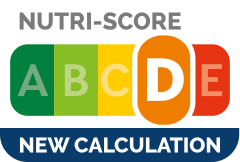
Nutri-Score

DLower nutritional quality

Nutrient levels

Fat in low quantity (0%)
What you need to know • A high consumption of fat, especially saturated fats, can raise cholesterol, which increases the risk of heart diseases. Recommendation: Limit the consumption of fat and saturated fat • Choose products with lower fat and saturated fat content. Source: National Health Service UK (NHS) - Fat: the facts
Saturated fat in low quantity (0%)
What you need to know • A high consumption of fat, especially saturated fats, can raise cholesterol, which increases the risk of heart diseases. Recommendation: Limit the consumption of fat and saturated fat • Choose products with lower fat and saturated fat content. Source: National Health Service UK (NHS) - Fat: the facts
Sugars in moderate quantity (4.7%)
What you need to know • A high consumption of sugar can cause weight gain and tooth decay. It also augments the risk of type 2 diabetes and cardio-vascular diseases. Recommendation: Limit the consumption of sugar and sugary drinks • Sugary drinks (such as sodas, fruit beverages, and fruit juices and nectars) should be limited as much as possible (no more than 1 glass a day). • Choose products with lower sugar content and reduce the consumption of products with added sugars. Source: National Health Service UK (NHS) - Sugar: the facts
Salt in low quantity (0%)
What you need to know • A high consumption of salt (or sodium) can cause raised blood pressure, which can increase the risk of heart disease and stroke. • Many people who have high blood pressure do not know it, as there are often no symptoms. • Most people consume too much salt (on average 9 to 12 grams per day), around twice the recommended maximum level of intake. Recommendation: Limit the consumption of salt and salted food • Reduce the quantity of salt used when cooking, and don't salt again at the table. • Limit the consumption of salty snacks and choose products with lower salt content. Source: World Health Organization (WHO) - Fact sheet - Salt reduction Source: National Health Service UK (NHS) - Salt: the facts

Nutrition label

San Pellegrino Limonata nutrition label

Nutrition facts

Nutrition factsAs sold for 100 mlCompared to: Lemon soft drinks
Energy~ 80.7 kJ (22 kcal)99.244 kJ (24 kcal) (-19%)
Fat0 g0.033 g (-100%)
Saturated fat0 g0.005 g (-100%)
Carbohydrates4.7 g5.616 g (-16%)
Sugars4.7 g5.527 g (-15%)
Dietary fiber0.1 g?
Proteins0 g0.031 g (-100%)
Salt0 g0.017 g (-100%)
Sodium0 g0.007 g (-100%)
Fruits, vegetables and legumes~ 16 %?

Nutrition facts (Detailed data)

Nutrition factsAs sold for 100 mlAs sold Per 100 ml (packaging)As sold Per 100 g (estimate)
Energy~ 80.7 kJ (22 kcal)? (22 kcal)?
Fat0 g0 g?
Saturated fat0 g0 g?
Carbohydrates4.7 g4.7 g?
Sugars4.7 g4.7 g?
Dietary fiber0.1 g0.1 g?
Proteins0 g0 g?
Salt0 g0 g?
Sodium0 g0 g?
Fruits, vegetables and legumes~ 16 %?~ 16 %

Ingredients

Ingredients image

San Pellegrino Limonata ingredients image

Ingredients list

water, lemon juice from concentrate (lemon juice from concentrate (11%), lemon juice (5%)), sugar, carbon dioxide, natural lemon flavouring, stabilisers: pectins, sweetener: steviol glycosides, natural flavourings

Ingredient information

Water
69.9% (estimate)
Lemon Juice From Concentrate
16% (estimate)
Lemon Juice From Concentrate
11.0%
Lemon Juice
5.0%
Sugar
2.35% (estimate)
E290
2.35% (estimate)
Natural Lemon Flavouring
2.35% (estimate)
Stabiliser
2.35% (estimate)
E440a
2.35% (estimate)
Sweetener
2.35% (estimate)
E960
2.35% (estimate)
Natural Flavouring
2.35% (estimate)

Added sugars

Contains added sugars (4%) Added sugars: sugar Quantity of added sugars: 4%

Ingredients analysis

Palm oil free
Yes

No ingredients containing palm oil.

Vegan
Unknown

Vegan status unknown

Vegetarian
Unknown

Vegetarian status unknown


Food Processing

NOVA group

4Ultra-processed food and drink products

Elements that indicate the product is in NOVA group 4

Additives
E290 - Carbon dioxide
Additives
E440 - Pectins
Additives
E960 - Steviol glycosides
Ingredients
Flavouring
Ingredients
Sweetener

How NOVA works

The NOVA classification assigns food products into 4 groups based on their degree of processing: 1. Unprocessed or minimally processed foods 2. Processed culinary ingredients 3. Processed foods 4. Ultra-processed food and drink products

Additives

E290 - Carbon dioxidePreservativePropellent Gas

CARBON DIOXIDE chemical formula CO2) is a colorless gas with a density about 60% higher than that of dry air.

E440 - PectinsEmulsifierStabiliserThickener

Pectins (E440) are natural carbohydrates, predominantly found in fruits, that act as gelling agents in the food industry, creating the desirable jelly-like texture in jams, jellies, and marmalades.

Pectins stabilize and thicken various food products, such as desserts, confectioneries, and beverages, ensuring a uniform consistency and quality.

Recognized as safe by various health authorities, pectins have been widely used without notable adverse effects when consumed in typical dietary amounts.

E960 - Steviol glycosides EFSA overexposure risk: moderateSweetener

Steviol glycosides are the chemical compounds responsible for the sweet taste of the leaves of the South American plant Stevia rebaudiana (Asteraceae) and the main ingredients (or precursors) of many sweeteners marketed under the generic name stevia and several trade names. They also occur in the related species Stevia phlebophylla (but in no other species of Stevia) and in the plant Rubus chingii (Rosaceae).Steviol glycosides from Stevia rebaudiana have been reported to be between 30 and 320 times sweeter than sucrose, although there is some disagreement in the technical literature about these numbers. They are heat-stable, pH-stable, and do not ferment. Additionally, they do not induce a glycemic response when ingested, because humans can not metabolize stevia. This makes them attractive as natural sugar substitutes for diabetics and other people on carbohydrate-controlled diets. Steviol glycosides stimulate the insulin secretion through potentiation of the β-cell, preventing high blood glucose after a meal. The acceptable daily intake (ADI) for steviol glycosides, expressed as steviol equivalents, has been established to be 4 mg/kg body weight/day, and is based on no observed effects of a 100 fold higher dose in a rat study.

Environment

Green-Score, origins bonus, and transportation impact are shown for Worldwide .

Green Score

Overall grade

N/ANot applicable for the category

About Green-Score

The Green-Score is an experimental score that summarizes the environmental impacts of food products.

Current scope

The Green-Score was initially developed for France and it is being extended to other European countries. The Green-Score formula is subject to change as it is regularly improved to make it more precise and better suited to each country. Select a country to include the full impact of transportation in the final score.

Green-Score availability

The Green-Score is not yet applicable for this category, but support is being added.

Bonuses and maluses

Declared origins

Origins of ingredients are missing for this product. Ingredients need to be completed before the transportation bonus can be computed precisely.

Packaging impact

Packaging with a low impact Malus: -3 Packaging score: +72

Packaging

San Pellegrino Limonata packaging image

Packaging impact

Packaging with a low impact Malus: -3 Packaging score: +72

Packaging components

ShapeMaterialRecyclingImpact
CANHeavy AluminiumUnknownMedium

Declared packaging

Aluminium Can

Transportation

Declared origins

Origins of ingredients are missing for this product. Ingredients need to be completed before the transportation bonus can be computed precisely.

Forest footprint

Forest footprint

No deforestation risk No ingredient associated with a deforestation risk. Forest Footprint The Forest Footprint is a methodology developed by the association Envol Vert to estimate the risk of deforestation related to our consumption. → More information on the methodology Forest Footprint grade: A No ingredient associated with a deforestation risk. Total Forest Footprint: 0.000 m² per kg of food

Deforestation risk details

Labels The presence of certain labels can greatly help reduce the risk of deforestation, through the presence of environmental criteria and/or through better remuneration of producers.

Data Source

Product data comes from Open Food Facts. Food Benchmark also adds translations, category comparisons and explanatory calculations.

The database is licensed under ODbL 1.0, individual contents under DbCL 1.0, and product photos under CC BY-SA 3.0.

Product added on August 1, 2016 at 11:02:42 AM UTC by openfoodfacts-contributors .

Last edit on March 13, 2026 at 7:58:25 AM UTC by new-nutrition-bot .

Product page also edited by doublah, inf, julie-yuka, kiliweb, kyzh, martinfred, new-nutrition-bot, openfoodfacts-contributors, sigoise, swipe-studio, tacite, tacite-mass-editor, telperion87.